10 Common Houseplant Mistakes Brits Make (and How to Fix Them)
Houseplants in Britain live a very particular life. They sit behind double glazing, breathe air that swings from damp and chilly to bone-dry once the central heating clicks on, and get watered with some of the hardest tap water in the country. None of that is fatal on its own. Stack a few small habits together, though, and even a forgiving pothos will start to sulk.
The problems that send most people searching for answers are rarely rare diseases or exotic pests. They are the same handful of mistakes, repeated in kitchens and living rooms up and down the country. The good news is that each one is straightforward to fix, usually in an afternoon, and often without spending a penny.
1. Watering straight from the tap
Hard water is the norm across much of southern and eastern England, and it leaves evidence: a chalky ring inside terracotta pots, a crusty surface on the compost, and brown, brittle leaf tips on anything that dislikes lime. Spider plants, calatheas, dracaenas, ferns and peace lilies are the usual complainants.
Leaving a jug of water out overnight is the most repeated advice online, and it helps less than people hope. It lets chlorine dissipate, but it does nothing about calcium, which is what actually causes the damage. What works better:
- Rainwater from a butt, bucket or even a washing-up bowl left outside. Free, soft, and closer to what most houseplants evolved with.
- Filtered water from a standard jug filter, which reduces limescale noticeably.
- Room-temperature water rather than cold straight from the tap, which gives tropical roots a shock.
- Choosing lime-tolerant plants if your water is very hard: snake plant, ZZ plant, pothos, rubber plant.
Every few months, flush the compost through properly — water slowly until it runs out of the drainage holes, then tip away anything left in the saucer. That clears the salts that build up over winter.
2. Parking plants on a radiator windowsill
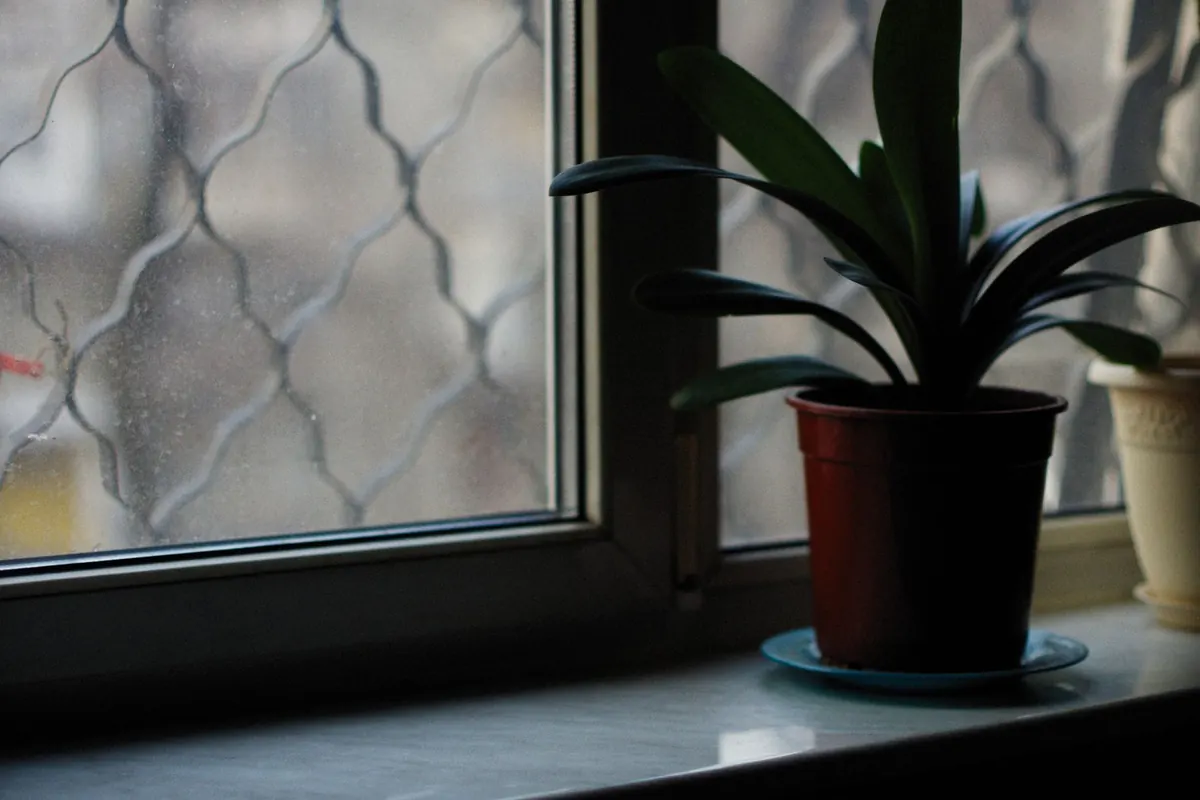
The classic British spot: a windowsill sitting directly above a radiator. Warm, dry air rises straight through the leaves, crisping the edges and drying the compost within days. Then the heating goes off at night, the glass turns cold, and any leaf pressed against it suffers. Add a draught from an old sash window and you have the full set.
Better arrangements
Move plants back 30 to 60 centimetres from the radiator, or stand them on a shelf beside the window rather than above the heat source. Rotate each pot a quarter turn every week or so, so the whole plant gets even light instead of leaning permanently towards the glass. In winter, keep leaves clear of the pane — trim back anything that touches it.
3. Believing that misting solves humidity
Misting feels kind. In reality it lifts humidity around the leaves for a few minutes and then it is gone, and the water sitting on foliage can encourage fungal spotting and rot — especially on fuzzy-leaved plants such as African violets and begonias, which really should not be misted at all.
If you want genuinely humid air, group plants together so they share a microclimate, stand pots on a tray of pebbles with water just below the surface, or move ferns and calatheas into the bathroom if it has a window. A small humidifier works too. Most UK homes sit at a perfectly acceptable humidity for the majority of houseplants, so don't over-engineer it — and if you do push humidity up, ventilate the room now and then to avoid damp patches on walls and window frames.
4. Watering by the calendar instead of by the plant
Overwatering causes far more houseplant deaths than underwatering. A plant that is too dry will usually tell you in time; roots sitting in soggy compost rot quietly and by the time the leaves droop, the damage is done.
If in doubt, wait a day. Almost nothing suffers from being left an extra 24 hours.
Before you reach for the watering can, check three things: push a finger two or three centimetres into the compost, lift the pot to judge its weight, and look at the saucer. Then water thoroughly, let it drain, and never leave a plant standing in water — a decorative outer pot with an inch of stagnant water in the bottom is the single most common cause of root rot in British homes.
Frequency changes with the seasons. A plant that needs water weekly in July may only need it every fortnight or three weeks in December, when growth has slowed and the heating is on.
5. Assuming a dark corner is fine
Very few houseplants thrive in a genuinely dark hallway, and British winters are dim enough without helping them along. Signs that light is the problem include stretched, leggy growth, small pale new leaves, a plant leaning hard towards the window, and variegated plants quietly turning plain green.
From October to March, move plants closer to the glass and clean the windows inside and out — grimy glass can cut out a surprising amount of light. Dusty leaves are worth wiping with a damp cloth for the same reason. Just remember that a south-facing window in June is a different proposition entirely, and strong midday sun through glass can scorch leaves that were perfectly happy in April.
6. Repotting into a pot that is far too big
It is tempting to give a struggling plant "room to grow". Do that and the surplus compost stays wet around roots that cannot use it, which is how root rot starts. Move up one size at a time — roughly two to four centimetres wider than the current pot — and do it in spring, when the plant can recover.
There is no rule that says a plant must live in the pot it came in. Keeping it in its nursery pot and dropping that inside something decorative gives you control: lift it out to check moisture, water it in the sink, and swap the outer pot whenever you fancy a change.
7. Skipping the boring jobs
Feeding, dusting and pest checks are easy to forget, and they cause slow decline rather than dramatic collapse. A few habits worth building in:
- Feed only during active growth, roughly March to September, and ease off completely in winter.
- Check the undersides of leaves and the joints where they meet the stem when you water. Sticky residue or fine webbing means pests.
- Isolate any new plant for a fortnight before introducing it to the rest of your collection.
- Wipe smooth leaves every month or so; the difference in vigour is real.
A ten-minute weekend reset
Pick one morning, make a mug of tea and work round the house. Check the compost of every plant with your finger. Empty any saucers holding water. Pull pots back from radiators and check nothing is touching cold glass. Wipe the worst of the dust off a few leaves, and turn each plant a quarter turn.
That is the whole routine, repeated through the year. Houseplants are forgiving when their basics are right, and most of the mistakes above are about conditions rather than care — too much water, too little light, the wrong spot. Get those three roughly right and you will spend far less time rescuing plants and much more time enjoying them.
Photo: Alexey Demidov / Pexels

You Might Also Like
A practical checklist for organising a neighbourhood cutting and seed swap, covering format, venue, plant health rules, labelling, how to run the day, and the follow-up that keeps people coming back.
A step-by-step guide to bringing outdoor plants inside before the first frost, cutting back on water and feed, and keeping tender species healthy through a UK winter.