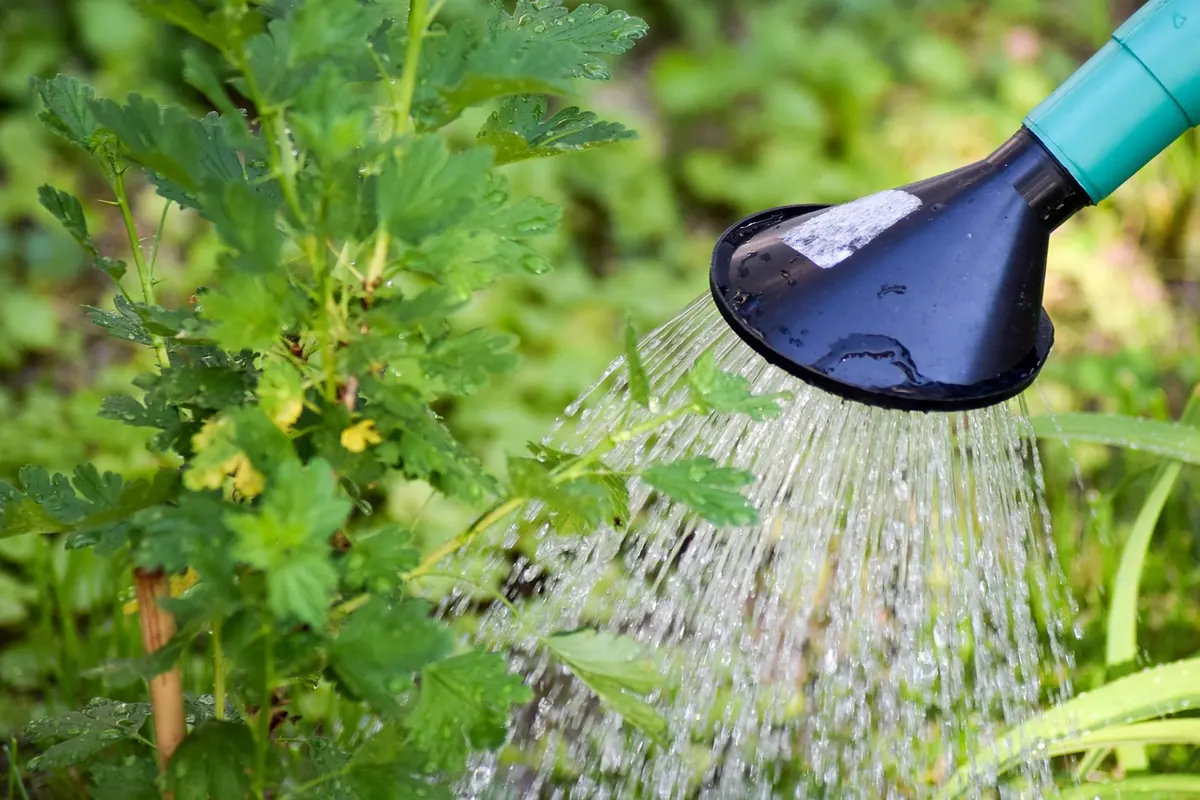
The UK Houseplant Watering Calendar: What to Do Month by Month
Most houseplants are killed with kindness, and the kindness usually arrives on a Sunday. A fixed weekly watering can be just right in June and quietly fatal in January, when the same plant is using a fraction of the water it did in summer. The compost stays wet, the roots sit in it, and by February the plant is yellowing from the bottom up.
British daylight swings from roughly sixteen hours at midsummer to under eight in December. Even in a flat that stays at a steady temperature, that shift changes how fast plants grow, how quickly compost dries and how much moisture the air holds. What follows is a month-by-month way of working with that, rather than against it.
Why indoor watering changes with the seasons
Light is the engine. Photosynthesis drives water uptake, so when light levels drop, roots drink more slowly — often much more slowly. The compost you watered on Friday may still be damp the following Friday, and watering again simply fills the air spaces that roots need.
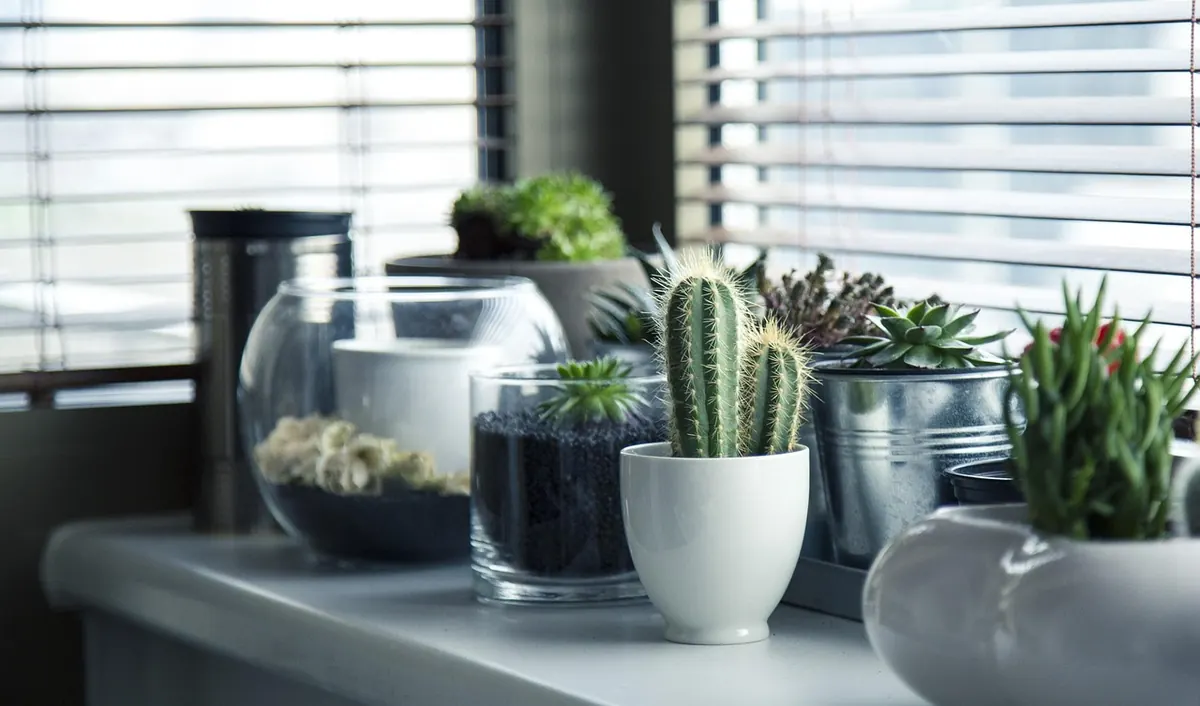
Central heating complicates things. Warm, dry air pulls moisture from leaves, which makes plants look thirsty, while the compost below the surface can stay sodden for weeks. This is why the finger test matters more than the look of a plant. So does pot size and material: a small terracotta pot on a sunny sill can dry out in two days, while a large plastic pot in a dim corner might take three weeks. Succulents, snake plants and ZZ plants are thrifty drinkers; ferns, calatheas and peace lilies are not.
The calendar tells you when to check. The plant tells you whether to water.
December to February: the quiet months
Growth has slowed to almost nothing for most species, and the best thing you can do is very little. Check pots every ten to fourteen days rather than weekly, and expect to water many plants only once a fortnight or less.
- Water thoroughly, then wait. Little sips keep the top damp and the bottom stale; a proper soak followed by full drainage is kinder to roots.
- Use tepid water. Straight-from-the-tap cold can shock roots in a chilly room.
- Stop feeding. There is no growth to support. Resume only when you see new leaves, usually in March.
- Move plants off cold windowsills at night and away from radiators, which bake one side of a plant and dry the compost unevenly.
- Group plants together to raise the humidity around them, but leave a little air between the pots.
March to May: waking up
Light returns quickly, and growth with it. Increase watering gradually rather than jumping straight to a summer routine — a plant that has been watered twice a month does not suddenly want water twice a week in the first mild spell of March.
This is the season for the jobs that make summer easier. Repot anything that has filled its pot, using fresh houseplant compost and a container one size up, no more. Wipe dust from leaves with lukewarm water so the extra light actually reaches them. Start feeding when new growth is clearly underway, at half the recommended strength for the first few weeks, then move to full strength. Check the undersides of leaves and the joints of stems for pests, which multiply fast as temperatures rise.
June to August: peak season
Now the thirst is real. Small pots, ferns and anything in a bright south-facing window may need checking every day or two, and terracotta dries out noticeably faster than glazed or plastic. Water in the morning where you can, so surplus drains before the cooler evening.
Feed every two to four weeks while plants are in active growth. Keep an eye on midday sun through glass, which can scorch leaves that were perfectly happy in May — a sheer curtain is often enough. Warm, dry air also suits red spider mite, so look for fine webbing and speckled leaves.
Going away? Move plants to a bright spot out of direct sun, group them together on a tray of damp gravel and give everything a thorough soak before you leave. A length of cotton string run from a bucket of water into the compost will keep smaller pots going for a week or so. Ask a neighbour to water anything precious.
September to November: winding down
Feeding should taper and stop by October for most houseplants, as growth slows and unused nutrients sit in the compost. Watering follows the light: reduce gradually rather than all at once, and pay attention to how much slower pots are drying.
Bring tender plants in from the garden before night temperatures fall to around 10°C, and check them for pests first so you are not importing a problem. Resist repotting now — root disturbance in low light is slow to heal. As the heating comes on, the air indoors dries out; pebble trays and grouping pots are more reliable than misting, which gives only a brief lift.
How to tell whether a plant actually needs water
- Finger test. Push a finger 2–3cm into the compost. Damp there means wait. For succulents, check the whole depth of the pot.
- Weigh the pot. Pick it up. A dry pot is startlingly light once you know the difference.
- Use a wooden skewer. Push it deep, leave it a minute, pull it out. Damp compost clings; dry compost doesn't.
- Read the leaves. Crisp, curling edges suggest thirst; yellowing lower leaves and soft, drooping growth often mean the opposite.
- Empty the saucer. If water is still standing twenty minutes after watering, tip it away.
Two problems that look alike
Overwatering shows as yellowing, soft stems, mould on the surface and a sour smell from the compost. Underwatering shows as browning tips, curling leaves, compost pulling away from the sides of the pot and a plant that perks up within hours of a drink. If you are unsure, let the pot dry rather than adding more water, and check the roots of anything that stays unhappy: healthy roots are firm and pale, rotten ones are brown and squashy.
Getting into a rhythm
Choose one day a week to walk round with your fingers and a jug, and water only the pots that need it. That single habit covers most of the year, because the day stays fixed while the amount changes with the season.
Then adjust for your own home. A warm, bright flat with big windows will dry pots far faster than a north-facing room, and a plant beside a radiator behaves nothing like the same plant in a cool hallway. Keep half an eye on the plants that sulk — ferns and calatheas tell you within a day — and let the succulents and snake plants be ignored with confidence. Learn two or three of your plants properly rather than all of them superficially, and the rest of the collection tends to follow.
Photo: annawaldl / Pixabay
You Might Also Like
A practical checklist for organising a neighbourhood cutting and seed swap, covering format, venue, plant health rules, labelling, how to run the day, and the follow-up that keeps people coming back.
A step-by-step guide to bringing outdoor plants inside before the first frost, cutting back on water and feed, and keeping tender species healthy through a UK winter.